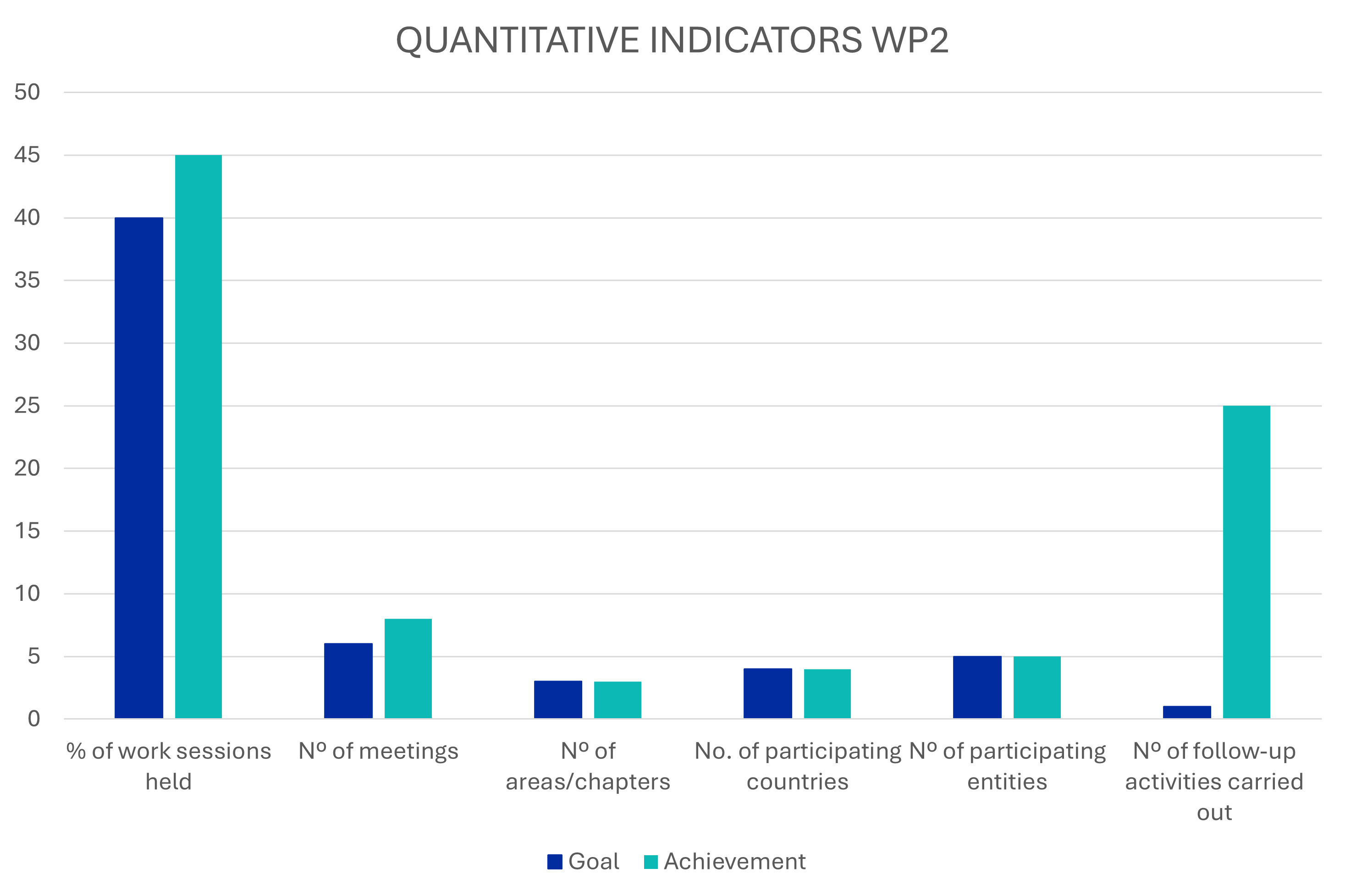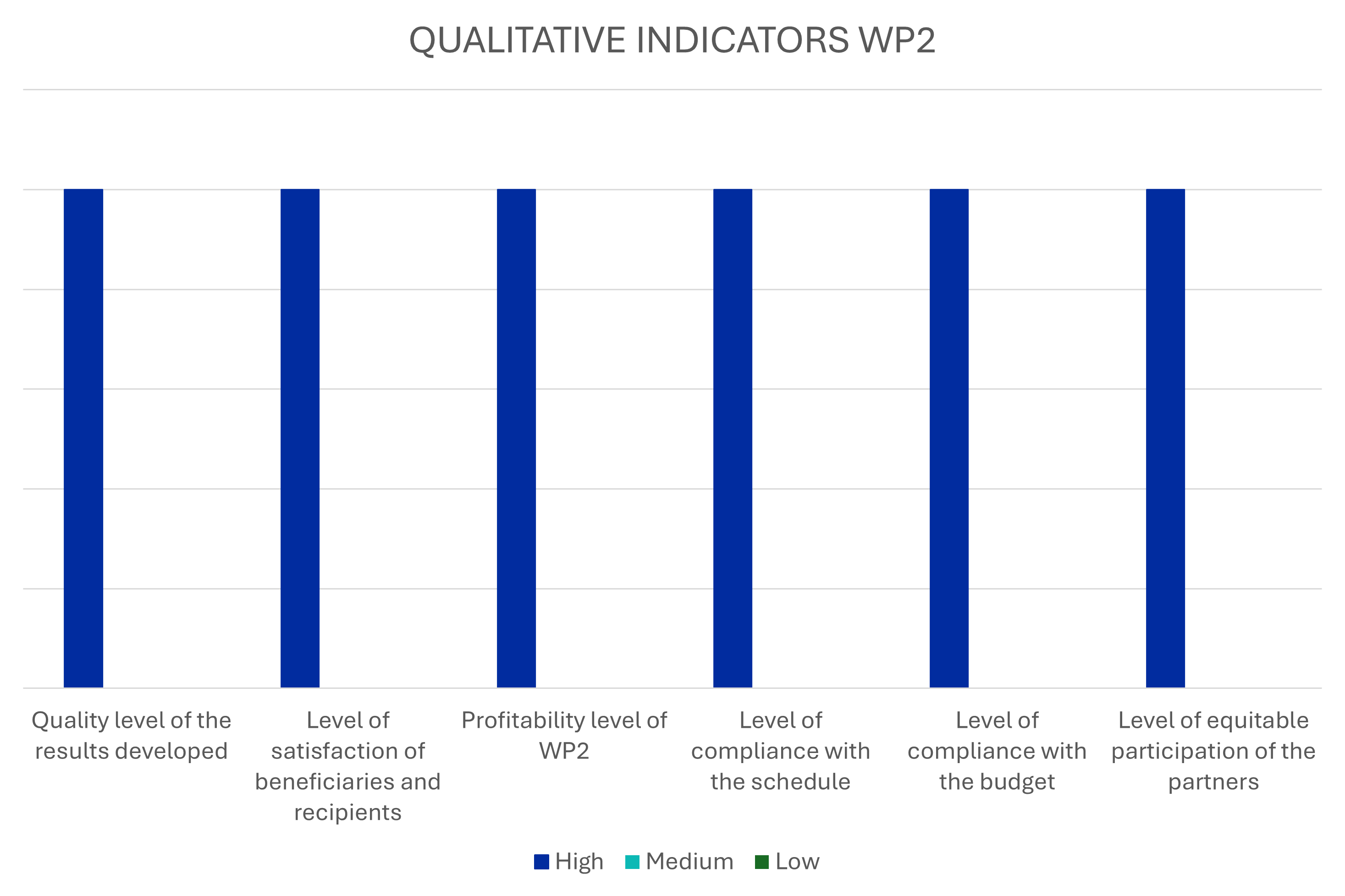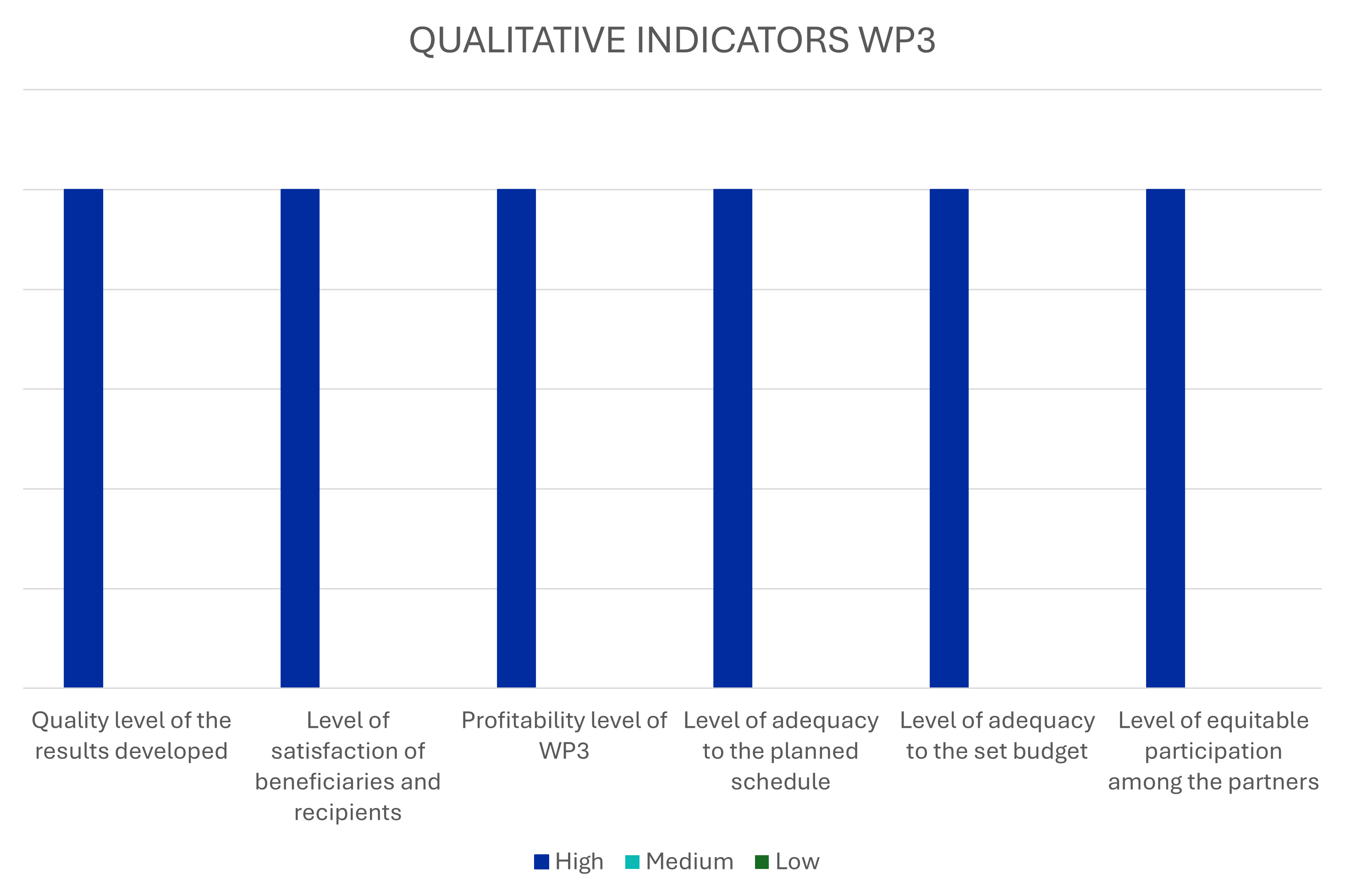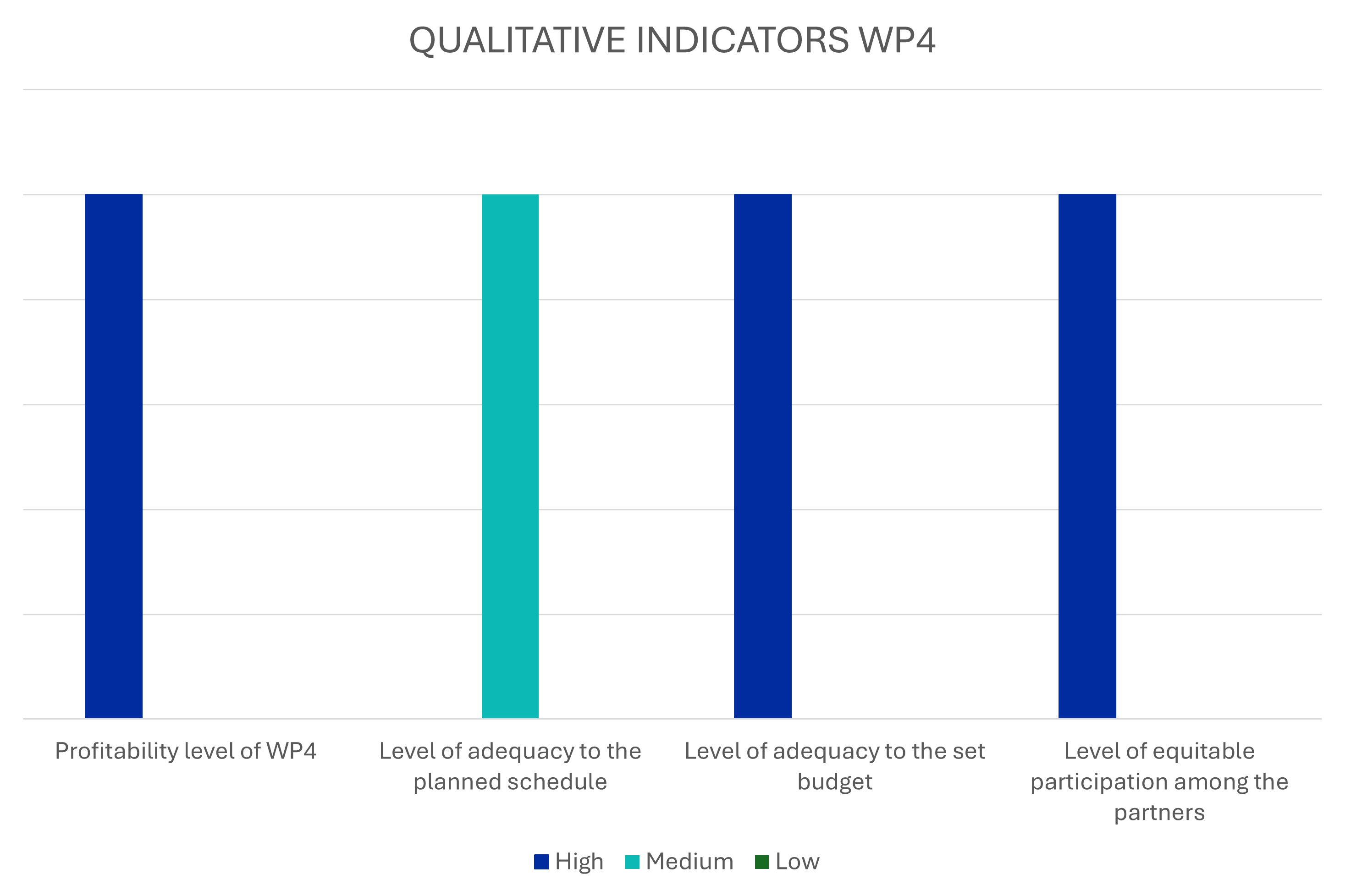
The evaluation is being carried out with a participatory methodology through spaces for analysis and reflection. Through a Total Quality Management System, an evaluation process has been established for the 4 phases of the project
(planning, preparation, implementation, and monitoring) based on the PDCA (Plan-Do-Check-Act) cycle.

The PDCA cycle is a methodology for the continuous management and evaluation of a project’s processes, which allows us to identify achievements and make improvements.

It is comprised of four cyclical stages, so that once the final stage is finished, you must return to the first stage and repeat the cycle again. Thanks to this method, the activities are periodically reevaluated to add improvements
detected.

Stages of the cycle:

  • Plan: the first stage of the cycle, in which the objectives to be achieved are identified and the necessary actions to achieve them are planned.
  • Do: in the second stage, the planned actions are implemented. It is time to develop the activities planned for each of the phases of the project.
  • Check: this is the stage in which the progress and results obtained in the previous stage are evaluated. It is time to verify the achievements obtained and identify areas for improvement.
  • Act: in this stage, decisions are made to improve the project, based on the results obtained in the previous stage.

12 month INDICATORS

WORK PACKAGE 2

WORK PACKAGE 3
WORK PACKAGE 4
PILOT TEST

Between April and September 2025, we carried out pilot tests of the project with young people with Tourette Syndrome and with youth workers, monitors and volunteers.

.

During the first few months (April–August), the pilot tests focused primarily on test preparation and validation of the “Path for Inclusion” methodology. At this stage, teams from the various partner countries worked with small groups of young people, youth workers, and volunteers to:

  • Analyze the initial usability of the “Path for inclusion” platform.
  • Starting the itineraries and acting in the environment: WORK ENVIRONMENT, PERSONAL RELATIONSHIPS AND ENVIRONMENT
  • Starting the itineraries and acting in the environment: AREA OF PERSONAL RELATIONSHIPS, LEISURE AND FREE TIME
  • Evaluate the methodology and resources generated, ensuring that they are adapted to the needs of young people with Tourette syndrome.
  • Gather feedback on accessibility, comprehension, and motivation.

.

This preliminary phase allowed us to identify improvements and optimize the platform structure and resource design, ensuring that the digital environment and activities were fully operational and adapted before the final phase.

.

The European Campus, held later in September 2025, represented the culmination of this pilot process. There, the young participants were able to register, use the platform in real-world conditions, apply what they had learned, and develop activities in the five main areas (leisure and free time, volunteering, the environment, personal relationships, and work relationships). In this way, the Campus served both as an integrative practical experience and as a final validation of the tools and methodology tested during the preceding months.

European Campus evaluation

As shown by the overall results of the satisfaction surveys, the experience of the young participants from Portugal, Spain, and Germany in the european campus was, in general terms, very positive and enriching. Across all three groups, there was a high level of satisfaction, a strong sense of belonging, and a very favorable evaluation of both the organization and the support provided by the professional team.

.

Most participants stated that they would recommend the experience (100%) and would like to take part again (100%), reflecting the positive impact and quality of the educational and social proposal of the campus. In all countries, the young people highlighted that they felt safe, included, and respected, with percentages ranging from 84.6% to 100%, essential elements that helped create an atmosphere of trust and well-being. The evaluation of the monitors and professional staff was also highly positive, with between 92.9% and 100% of participants feeling supported and listened to throughout the experience.

.

In terms of learning, most participants reported that they acquired useful knowledge and skills for their daily lives: between 57.1% and 66.7% felt they learned a lot, while the rest indicated that they learned at least something. This confirms that the experience was not only enjoyable and socially meaningful but also educational. The organization was also well rated, with between 35.7% and 100% of participants evaluating it as excellent and the rest as good, reflecting a perception of efficiency and strong coordination.

.

Regarding social inclusion, the vast majority of participants in Portugal (100%) and half of those from Spain (50%) made new friends. Overall, language barriers were minimal, with between 66.7% and 78.6% reporting no difficulties, although some participants mentioned occasional communication challenges. This highlights the value of continuing to implement linguistic support strategies to ensure smooth participation for all, regardless of their language background.

.

In conclusion, the results confirm the success of the international campus as a safe, inclusive, educational, and well-organized space that left a very positive impression on the participants. The high level of satisfaction achieved reflects the commitment, dedication, and excellent work carried out by the entire organizing team.

Platform evaluation

As reflected in the results of the satisfaction surveys carried out, the experience of the young participants in the use of the digital platform of the international campus was generally very positive, highlighting its ease of use, the clarity of the contents and the usefulness of the activities and resources offered.

.

In terms  of access and navigation, 85% of young people considered that the platform was quite or very easy to use, which demonstrates good accessibility and usability of the digital environment. Similarly, 87% rated the contents and instructions as fairly or very clear, indicating that the information was understandable and well-structured for the different groups of participants.

.

The usefulness of the personalised itineraries and activities also obtained a very high rating: 91% of the young people considered these proposals quite or very useful, while the gymkhana of activities reached an average of 95% of positive evaluations, consolidating itself as a motivating and formative tool.

.

In relation to the feeling of readiness to be promoters of change, 77% of the participants said they felt quite or very prepared after the experience, which reflects a significant impact on their personal and social development.

.

On the other hand, 85% of the young people consulted the complementary resources available on the platform, and 88% rated them as quite or very useful, which shows that the materials offered adequately responded to their needs and interests.

.

In conclusion, the results confirm the high quality and effectiveness of the European Campus Digital Platform, which has been perceived as an accessible, clear and useful tool for learning and participation. These data reflect the good pedagogical and technological design of the environment, as well as the team’s effort to offer an innovative, dynamic training experience adapted to the needs of young people.

Translate »